


Cognitive & Nootropic Peptides (8 Offers)
Peptides studied for neuroprotection, cognitive enhancement, and mood modulation. This category includes Semax, Selank, and synthetic fragments like Kisspeptin, targeting neurotrophic factors, stress response, and brain plasticity.
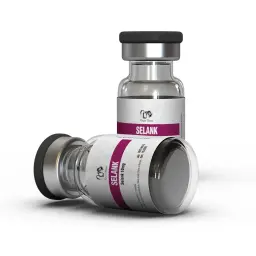
SELANK 10 MG INJECTION
Drug Class: Anxiolytic Nootropic Peptide
Composition:
- Active Substance: Selank
- Concentration: 10 mg/vial
Presentation: 2 mL Vial
Form: Lyophilized Powder
Manufacturer: Dragon Pharma
Tested in Laboratory: View Lab Report
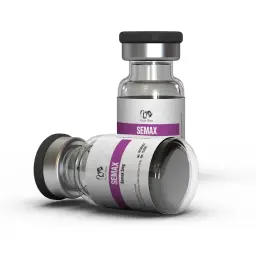
SEMAX 5 MG INJECTION
Drug Class: Nootropic Peptide
Composition:
- Active Substance: Semax
- Concentration: 5 mg/vial
Presentation: 2 mL Vial
Form: Lyophilized Powder
Manufacturer: Dragon Pharma
Tested in Laboratory: View Lab Report
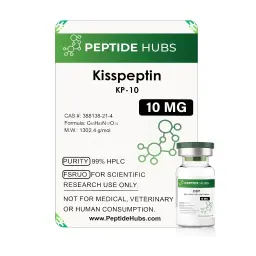
KISSPEPTIN 10 MG INJECTION
Drug Class: Neuropeptide Hormone Secretagogue
Composition:
- Active Substance: Kisspeptin-10
- Concentration: 10 mg per vial
Presentation: 2 mL Glass Vial
Form: Lyophilized (Freeze-Dried) Powder
Manufacturer: Peptide Hubs
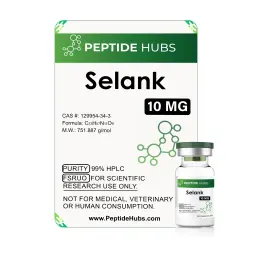
SELANK 10 MG INJECTION
Drug Class: Nootropic/Anxiolytic Peptide
Composition:
- Active Substance: Selank
- Concentration: 10 mg/vial
Presentation: 2 mL Vial
Form: Lyophilized Powder
Manufacturer: Peptide Hubs
Tested in Laboratory: View Lab Report
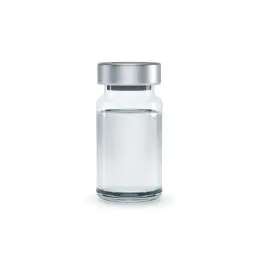
SEMAX 5 MG INJECTION
Drug Class: Nootropic Peptide Hormone
Composition:
- Active Substance: Semax
- Concentration: 5 mg/vial
Presentation: 2 mL Vial
Form: Lyophilized Powder
Manufacturer: Peptide Hubs
Tested in Laboratory: View Lab Report
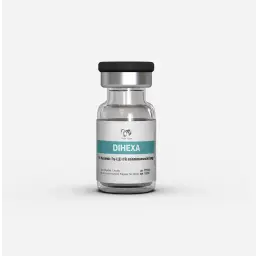
Drug Class: Peptide Hormone
Composition:
- Active Substance: N-hexanoic-Tyr-Ile-(6) aminohexanoic amide
- Concentration: 5 mg/vial
Presentation: 2 mL Vial
Manufacturer: Dragon Pharma
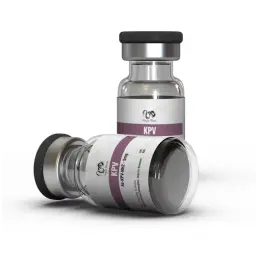
AC-KPV-NH2 5 MG INJECTION
Drug Class: Anti-Inflammatory Peptide
Composition:
- Active Substance: Ac-KPV-NH2
- Concentration: 5 mg per vial
Presentation: 2 mL Lyophilized Powder Vial
Form: Lyophilized Powder for Reconstitution
Manufacturer: Dragon Pharma
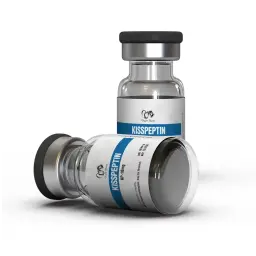
KISSPEPTIN 10 MG INJECTION
Drug Class: Neuropeptide Hormone / GnRH Secretagogue
Composition:
- Active Substance: Kisspeptin
- Concentration: 10 mg per vial
Presentation: 2 mL glass vial
Form: Lyophilized (freeze-dried) powder
Manufacturer: Dragon Pharma
Peptides in Cognitive Function and Neurological Research
Cognitive and nootropic peptides are a specialized class of compounds investigated for their potential to modulate brain function, enhance neuroplasticity, and provide neuroprotection. Research in this field focuses on peptides that influence neurotrophic factors (like BDNF), neurotransmitter systems, and the brain's response to stress and injury, offering tools for studying memory, learning, and emotional regulation.
This category encompasses peptides with distinct neurological mechanisms:
- Neurotrophic & Protective Peptides (e.g., Semax): This synthetic heptapeptide analog of ACTH(4-10) is a primary subject in research on Brain-Derived Neurotrophic Factor (BDNF) upregulation, cognitive enhancement, and ischemic injury protection. It is studied for its potential to improve attention, learning, and memory consolidation in models.
- Anxiolytic & Adaptogenic Peptides (e.g., Selank): A synthetic analog of the immunomodulatory peptide Tuftsin, Selank is researched for its pronounced anxiolytic (anti-anxiety) effects and ability to influence serotonin and GABA systems without inducing sedation, making it a key compound for stress response studies.
- Neuroregulatory & Hormonal Peptides (e.g., Kisspeptin-10): While primarily involved in the reproductive axis, synthetic Kisspeptin has significant research interest for its receptors in the brain, particularly in areas governing mood, emotion, and sexual behavior, linking neuroendocrinology with cognitive function.
- Targeted Neuropeptide Fragments (e.g., KPV): The Lys-Pro-Val tripeptide is a minimal fragment of α-MSH with research focused on potent anti-inflammatory effects within the central nervous system, relevant for studies on neuroinflammation and mood disorders.
Researchers utilize these compounds to explore mechanisms for cognitive decline, anxiety disorders, stroke recovery, and neurodegenerative conditions. They represent a bridge between classic neurotransmitter pharmacology and peptide-based modulation of complex brain networks.
All products are furnished exclusively for non-human, in vitro laboratory research.

