


Anti-Aging & Longevity Peptides (17 Offers)
Peptides researched for cellular rejuvenation, telomere support, and epigenetic regulation. This category includes Epitalon, GHK-Cu, and MOTS-C, targeting aging biomarkers, oxidative stress, and mitochondrial function in studies.
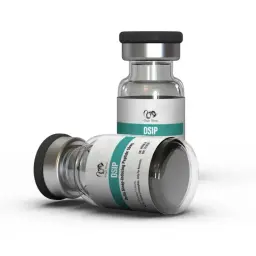
DSIP 10 MG INJECTION
Drug Class: Neuropeptide, Sleep Enhancer
Composition:
- Active Substance: Delta Sleep Inducing Peptide (DSIP)
- Concentration: 10 mg/vial
Presentation: 2 mL Vial
Form: Lyophilized Powder
Manufacturer: Dragon Pharma
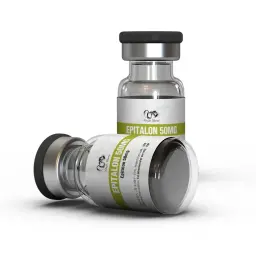
EPHITALON ACETATE 50 MG INJECTION
Drug Class: Anti-Aging Peptide
Composition:
- Active Substance: Ephitalon Acetate
- Concentration: 50 mg/vial
Presentation: 2 mL Vial
Form: Lyophilized Powder
Manufacturer: Dragon Pharma
Tested in Laboratory: View Lab Report
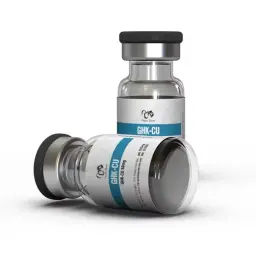
GHK-CU 50 MG INJECTION
Drug Class: Copper-Binding Tripeptide
Composition:
- Active Substance: GHK-Cu
- Concentration: 50 mg/vial
Presentation: 2 mL Vial
Form: Lyophilized Powder
Manufacturer: Dragon Pharma
Tested in Laboratory: View Lab Report
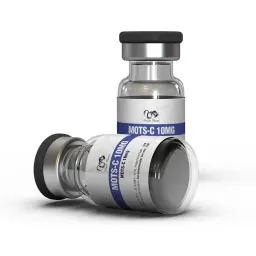
MOTS-C 10 MG INJECTION
Drug Class: Mitochondrial Peptide
Composition:
- Active Substance: MOTS-C
- Concentration: 10 mg/vial
Presentation: 2 mL Vial
Form: Lyophilized Powder
Manufacturer: Dragon Pharma
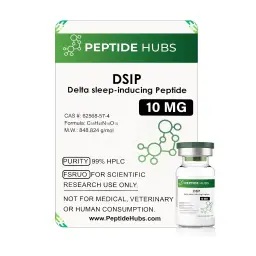
DSIP 10 MG INJECTION
Drug Class: Synthetic Neuropeptide
Composition:
- Active Substance: Delta Sleep Inducing Peptide (DSIP)
- Concentration: 10 mg per vial
Presentation: 2 mL Glass Vial
Form: Lyophilized (Freeze-Dried) Powder
Manufacturer: Peptide Hubs
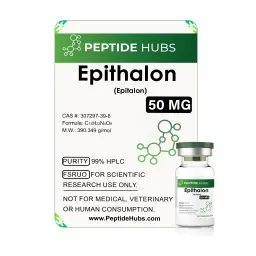
EPITHALON 50 MG INJECTION
Drug Class: Synthetic Tetrapeptide
Composition:
- Active Substance: Epithalon
- Concentration: 50 mg/vial
Presentation: 2 mL Vial
Form: Lyophilized Powder
Manufacturer: Peptide Hubs
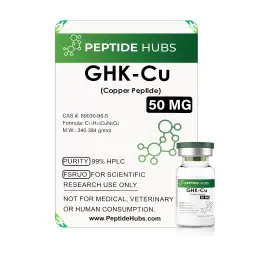
GHK-CU 50 MG INJECTION
Drug Class: Copper-Binding Tripeptide
Composition:
- Active Substance: GHK-CU
- Concentration: 50 mg/vial
Presentation: 2 mL Vial
Form: Lyophilized Powder
Manufacturer: Peptide Hubs
Tested in Laboratory: View Lab Report
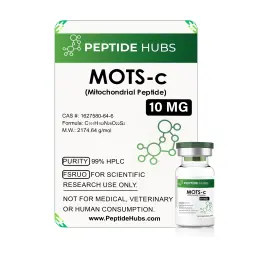
MOTS-C 10 MG INJECTION
Drug Class: Mitochondrial-Derived Peptide
Composition:
- Active Substance: MOTS-C
- Concentration: 10 mg/vial
Presentation: 2 mL Vial
Form: Lyophilized Powder
Manufacturer: Peptide Hubs
Tested in Laboratory: View Lab Report
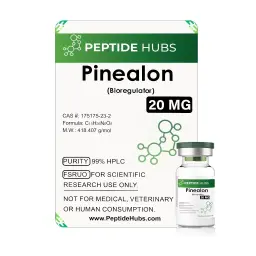
PINEALON 20 MG INJECTION
Drug Class: Synthetic Tripeptide / Neuro-Regulatory Compound
Composition:
- Active Substance: Pinealon (Glu-Asp-Arg)
- Concentration: 20 mg per vial
Presentation: 2 mL Vial
Form: Lyophilized Powder for Reconstitution
Manufacturer: Peptide Hubs
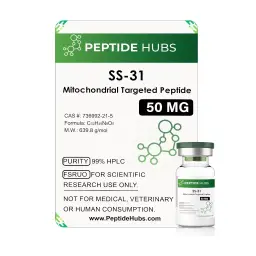
SS-31 50 MG INJECTION
Drug Class: Mitochondrial-Targeted Peptide
Composition:
- Active Substance: SS-31 (Elamipretide)
- Concentration: 50 mg per vial
Presentation: 2 mL Glass Vial
Form: Lyophilized (Freeze-Dried) Powder
Manufacturer: Peptide Hubs
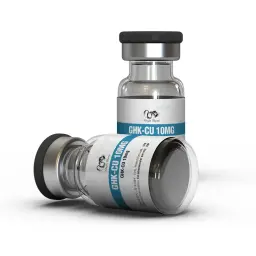
GHK-CU 10 MG INJECTION
Drug Class: Regenerative Anti-Aging Peptide
Composition:
- Active Substance: GHK-CU
- Concentration: 10 mg/vial
Presentation: 2 mL Vial
Form: Lyophilized Powder
Manufacturer: Dragon Pharma
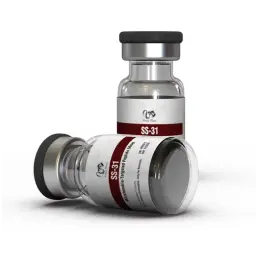
SS-31 50 MG INJECTION
Drug Class: Mitochondrial-Targeted Peptide
Composition:
- Active Substance: SS-31 (Elamipretide)
- Concentration: 50 mg/vial
Presentation: 2 mL Vial
Form: Lyophilized Powder
Manufacturer: Dragon Pharma
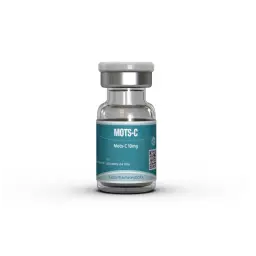
Drug Class: Peptide Hormone
Composition:
- Active Substance: MOTS-c
- Concentration: 10 mg/vial
Presentation: 2 mL Vial
Manufacturer: Kalpa Pharmaceuticals
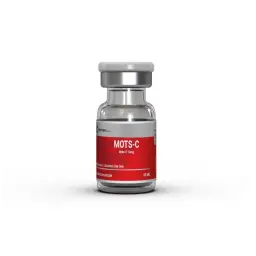
Drug Class: Peptide Hormone
Composition:
- Active Substance: MOTS-c
- Concentration: 10 mg/vial
Presentation: 2 mL Vial
Manufacturer: British Dragon
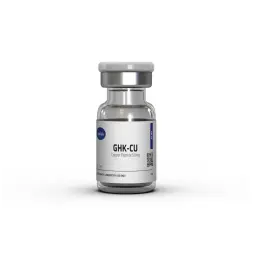
Drug Class: Peptide Hormone
Composition:
- Active Substance: GHK-CU
- Concentration: 50 mg/vial
Presentation: 2 mL Vial
Manufacturer: Axiolabs
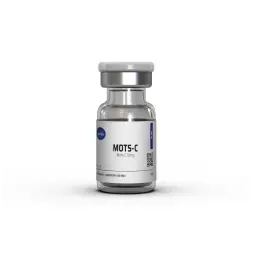
Drug Class: Peptide Hormone
Composition:
- Active Substance: MOTS-c
- Concentration: 10 mg/vial
Presentation: 2 mL Vial
Manufacturer: Axiolabs
The Role of Peptides in Aging and Longevity Research
Anti-aging and longevity peptides represent a frontier in biogerontology, focusing on compounds that may influence core hallmarks of aging at the cellular and systemic levels. Research in this category investigates peptides that target telomere maintenance, epigenetic regulation, mitochondrial efficiency, and the restoration of youthful gene expression patterns.
Key research pathways represented by these peptides include:
- Telomere and Pineal Regulation (e.g., Epitalon, Pinealon): Epitalon, a synthetic tetrapeptide, is a primary subject in studies on telomerase activation and pineal gland function, potentially influencing circadian rhythm and senescence biomarkers. Pinealon targets cerebral peptide bioregulation.
- Copper-Binding Repair Peptides (e.g., GHK-Cu): This naturally occurring tripeptide-copper complex is extensively studied for its role in tissue remodeling, wound healing, and as a modulator of gene expression towards a more youthful state, particularly in skin and connective tissue models.
- Mitochondrial and Metabolic Peptides (e.g., MOTS-c, SS-31): These peptides directly target mitochondrial function. MOTS-c is encoded in the mitochondrial genome and influences metabolic homeostasis, while SS-31 (Elamipretide) protects mitochondrial structure and reduces oxidative stress in research models.
- Cofactor Precursors (e.g., NAD+): While not a peptide, NAD+ (Nicotinamide Adenine Dinucleotide) is a critical coenzyme for sirtuins—proteins involved in epigenetic regulation and longevity. Its inclusion supports research on cellular energy and DNA repair pathways.
Scientists utilize these compounds to model interventions against age-related decline, studying outcomes related to cellular resilience, oxidative damage, and tissue function. This category provides tools for exploratory research into extending healthspan and understanding the biology of aging.
All materials are provided strictly for controlled, non-human in vitro research.

