


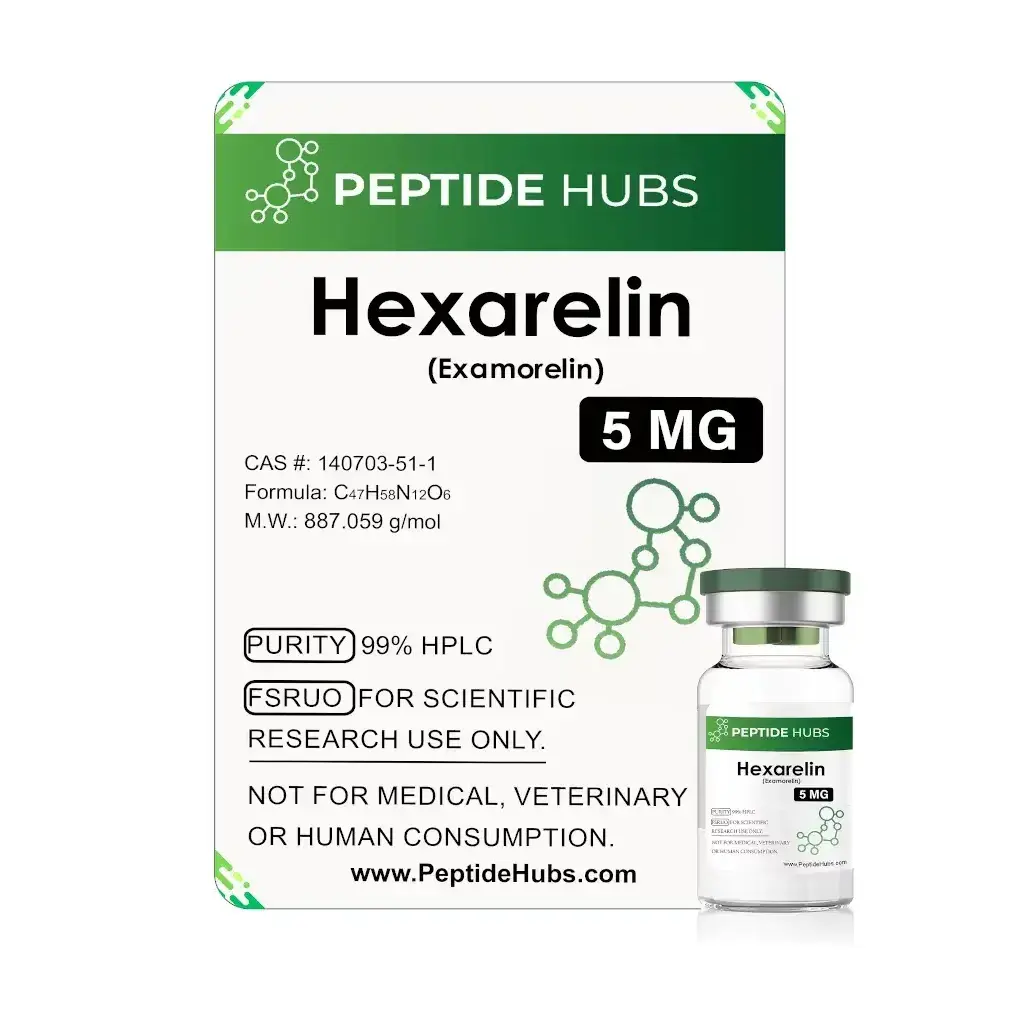
EXAMORELIN 5 MG INJECTION
Drug Class: Growth Hormone-Releasing Peptide (GHRP-6 Analog)
Composition:
- Active Substance: Examorelin (Hexarelin)
- Concentration: 5 mg per vial
Presentation: 2 mL Vial
Form: Lyophilized Powder for Reconstitution
Manufacturer: Peptide Hubs
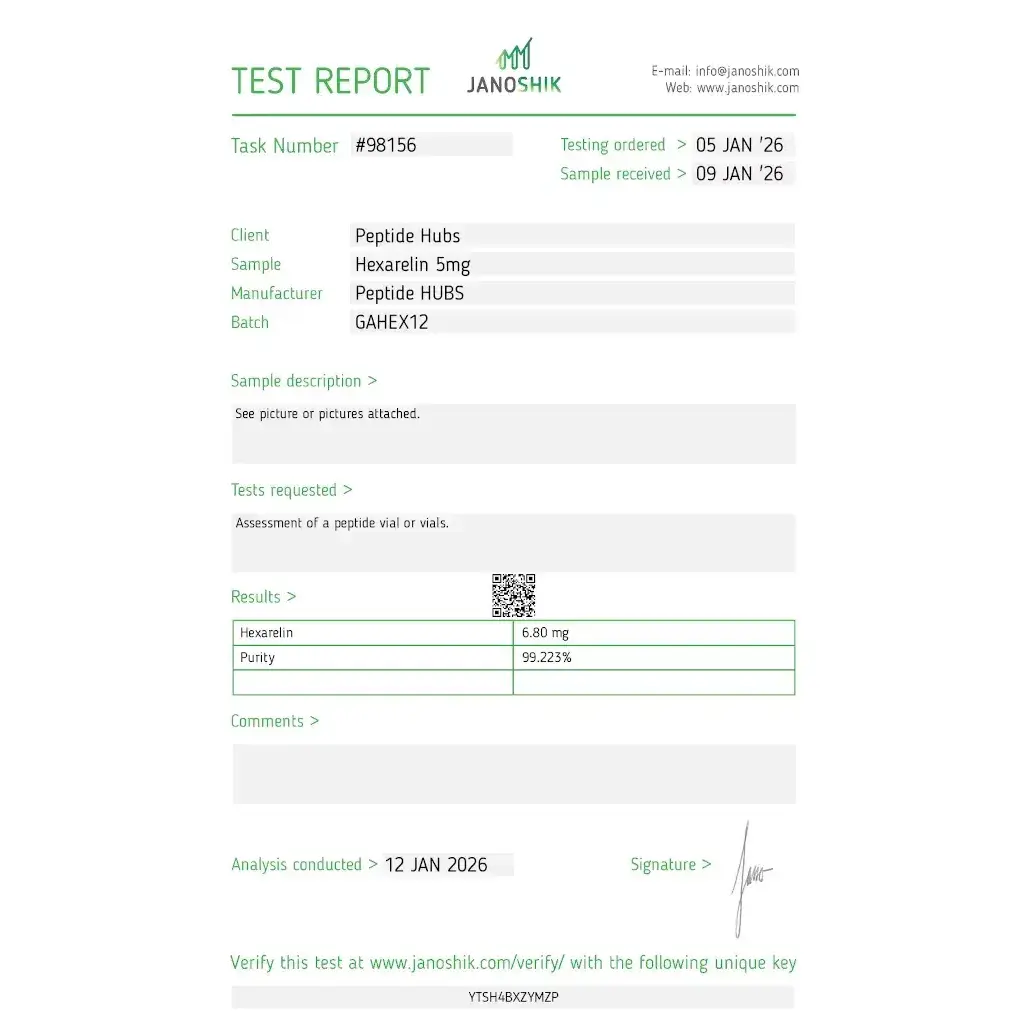
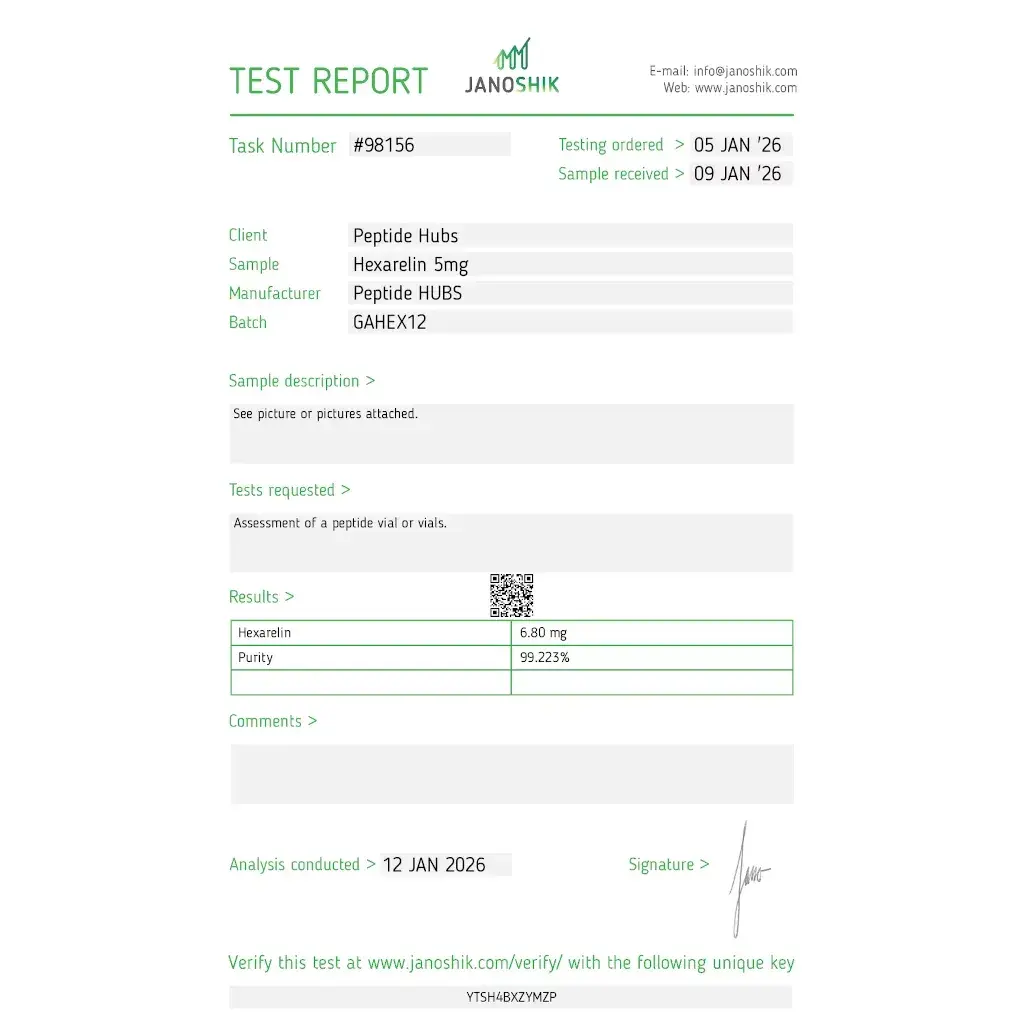
Tested in Laboratory: View Lab Report
Peptide Hubs introduces Hexarelin 5 mg, a powerful synthetic hexapeptide and growth hormone-releasing peptide (GHRP) analog designed for advanced endocrine research. Known chemically as Examorelin, this compound is recognized for its potent and reliable stimulation of growth hormone (GH) secretion from the pituitary gland. Provided as a 5 mg lyophilized powder in a sterile 2 mL vial, Hexarelin offers researchers a highly effective tool for investigating the systemic effects of elevated GH and IGF-1 levels. Its mechanism involves binding to the ghrelin receptor (GHS-R1a), triggering a robust pulse of GH release. As noted in scientific literature on GHRPs, Hexarelin is among the most potent secretagogues in its class. Peptide Hubs ensures pharmaceutical-grade purity, providing the consistency required for controlled studies on anabolism, recovery, and body composition.
The primary research effect of Hexarelin is a significant, dose-dependent increase in pulsatile growth hormone secretion. This elevated GH, in turn, stimulates the production of Insulin-like Growth Factor-1 (IGF-1) in the liver and locally in tissues, leading to a cascade of anabolic and metabolic outcomes in study models:
Hexarelin is a potent research peptide, and all dosing is for controlled laboratory studies. The 5 mg vial is typically reconstituted with 2 mL of bacteriostatic water, yielding a concentration of 2.5 mg/mL. In experimental models, dosing is often in the range of 1-2 micrograms per kilogram of body weight (µg/kg). Due to its mechanism of mimicking natural pulsatile GH release, research protocols commonly administer it 2-3 times per day, typically in a fasted state (before meals and before bedtime). Administration is via subcutaneous injection. Cycles in research are usually limited to 4-8 weeks to prevent desensitization of the pituitary response. Meticulous timing, dosing accuracy, and sterile technique are critical for valid data.
Hexarelin is studied in relatively short, pulsed cycles to maximize GH response and minimize receptor downregulation. For comprehensive investigations into maximal anabolism and physique enhancement, researchers design protocols combining Hexarelin with complementary compounds. These are concepts for scientific study design.
In research models, Hexarelin's potent GH-releasing action is associated with a predictable set of transient side effects. The most common is a significant increase in hunger due to its action on the ghrelin receptor. Others include transient flushing, tingling sensations, headaches, and lethargy following injection—symptoms often associated with a strong GH pulse. A notable research consideration is its potential to elevate cortisol and prolactin levels in some studies. Prolonged use can lead to desensitization (tachyphylaxis), where the pituitary's response diminishes. There is also a theoretical risk of acromegalic-like tissue growth with chronic, excessive dosing. The standard risks of infection, improper dosing, and lack of ethical oversight apply.
Hexarelin's research value lies in its specificity and potency. It acts as a potent agonist at the Growth Hormone Secretagogue Receptor (GHS-R1a), the same receptor activated by the natural hunger hormone ghrelin. This binding triggers a intracellular cascade involving phospholipase C and protein kinase C, leading to a strong, synchronous release of stored growth hormone from the somatotroph cells of the anterior pituitary. Unlike GHRH analogs which modulate the frequency of GH pulses, Hexarelin primarily increases the amplitude (size) of each pulse. This makes it an excellent tool for studying the acute effects of large GH spikes on metabolism, protein synthesis, and lipolysis, and for investigating the interplay between hunger signaling and the somatotropic axis.
All three are GHRPs, but with key differences. Hexarelin is the most potent in stimulating GH release. GHRP-6 is slightly less potent but has a stronger effect on hunger stimulation. Ipamorelin is the least potent but is considered more selective, with minimal effects on cortisol, prolactin, and appetite. For research, Hexarelin is chosen for studying maximal GH pulse amplitude, while Ipamorelin is used for studies requiring a cleaner side-effect profile.
This protocol mimics the body's natural pulsatile GH secretion pattern (several large pulses per day). Administering Hexarelin 2-3 times daily—typically upon waking, pre-workout, and before bed—allows researchers to study the effects of amplifying these natural pulses. This approach is also used to potentially avoid sustained elevation that could lead to faster feedback inhibition and receptor desensitization.
Reconstitute with 2 mL of bacteriostatic water for a final concentration of 2.5 mg/mL (2500 mcg/mL). This means each 0.1 mL (10 units on an insulin syringe) contains 250 mcg of Hexarelin, allowing for precise dosing in the common research range of 100-300 mcg per administration. Gently swirl to dissolve; avoid shaking.
Yes, this is a documented research observation. Unlike the more selective Ipamorelin, Hexarelin can stimulate a mild increase in adrenocorticotropic hormone (ACTH) and prolactin release in some models. This is an important consideration for study design, especially in long-term protocols or when stacking with other compounds that affect these hormones. Monitoring these parameters is part of responsible experimental design.
Please log in to write Hexarelin 5 mg review.
EXAMORELIN 5 MG INJECTION
Drug Class: Growth Hormone Secretagogue
Composition:
- Active Substance: Examorelin
- Concentration: 5 mg/vial
Presentation: 2 mL Vial
Form: Lyophilized Powder
Manufacturer: Dragon Pharma
Tested in Laboratory: View Lab Report
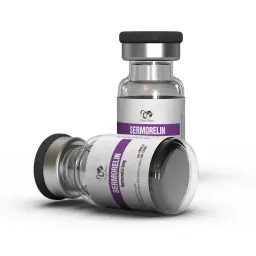
SERMORELIN 5 MG INJECTION
Drug Class: Growth Hormone-Releasing Hormone (GHRH)
Composition:
- Active Substance: Sermorelin
- Concentration: 5 mg/vial
Presentation: 2 mL Vial
Form: Lyophilized Powder
Manufacturer: Dragon Pharma
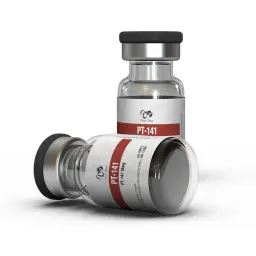
BREMELANOTIDE 10 MG INJECTION
Drug Class: Selective Melanocortin Receptor Agonist
Composition:
- Active Substance: Bremelanotide
- Concentration: 10 mg/vial
Presentation: 2 mL Vial
Form: Lyophilized Powder
Manufacturer: Dragon Pharma
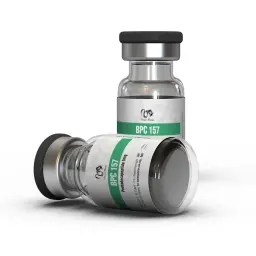
PENTADECAPEPTIDE 2 MG INJECTION
Drug Class: Healing/Repair Peptide
Composition:
- Active Substance: Pentadecapeptide
- Concentration: 5 mg/vial
Presentation: 2 mL Vial
Form: Lyophilized Powder
Manufacturer: Dragon Pharma
Tested in Laboratory: View Lab Report
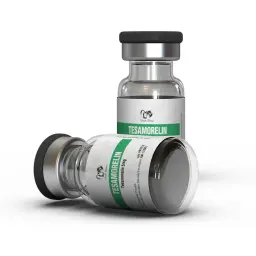
TESAMORELIN 5 MG INJECTION
Drug Class: Growth Hormone-Releasing Hormone (GHRH)
Composition:
- Active Substance: Tesamorelin
- Concentration: 5 mg/vial
Presentation: 2 mL Vial
Form: Lyophilized Powder
Manufacturer: Dragon Pharma
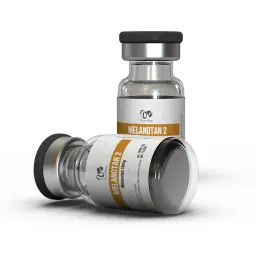
MELANOTAN 2 10 MG INJECTION
Drug Class: Synthetic Melanocortin Receptor Agonist
Composition:
- Active Substance: Melanotan 2
- Concentration: 10 mg/vial
Presentation: 2 mL Vial
Form: Lyophilized Powder
Manufacturer: Dragon Pharma
Tested in Laboratory: View Lab Report
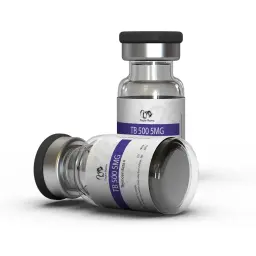
THYMOSIN BETA-4 5 MG INJECTION
Drug Class: Tissue Healing & Recovery Peptide
Composition:
- Active Substance: Thymosin Beta-4
- Concentration: 5 mg/vial
Presentation: 2 mL Vial
Form: Lyophilized Powder
Manufacturer: Dragon Pharma
Tested in Laboratory: View Lab Report