


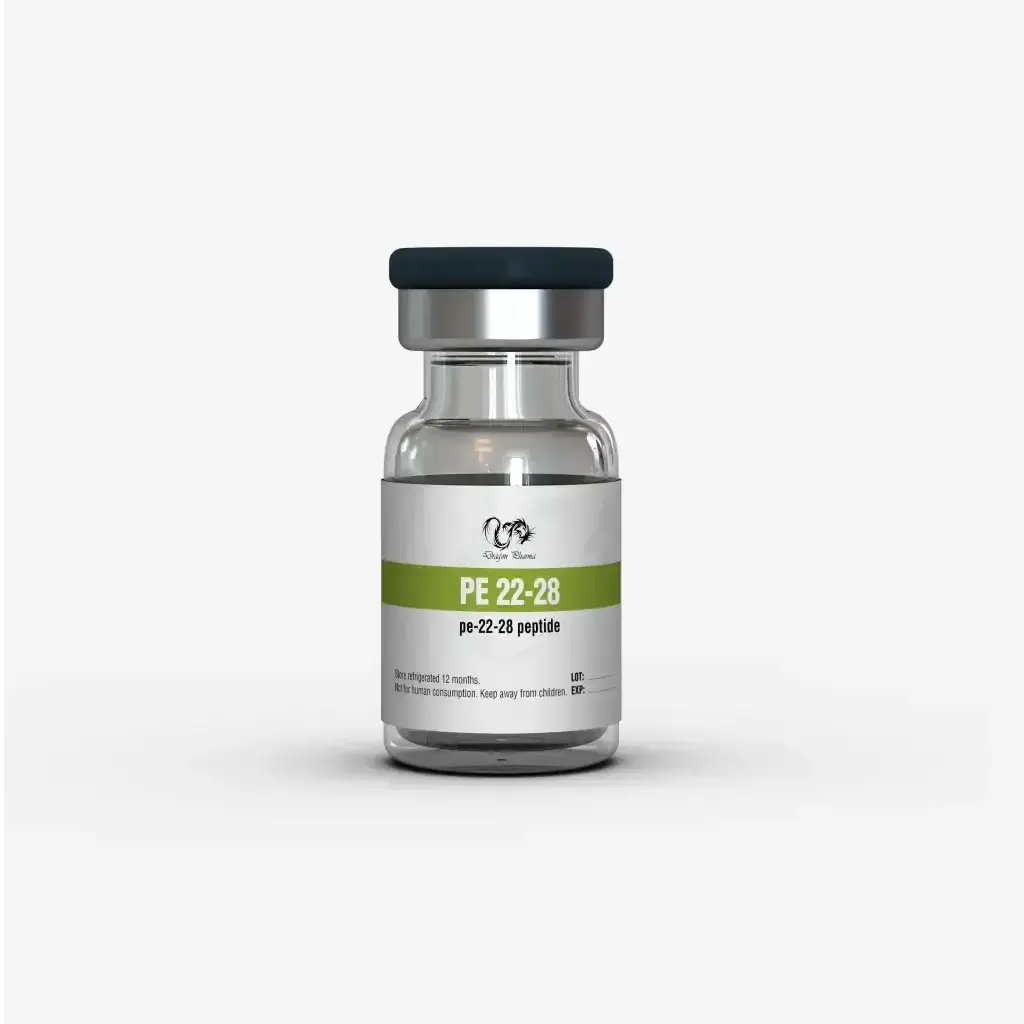
PE 22-28 10 MG INJECTION
Drug Class: PACAP Fragment / Neuropeptide Research Compound
Composition:
- Active Substance: PE 22-28 (PACAP 1-38 fragment)
- Concentration: 10 mg per vial
Presentation: 2 mL Vial
Form: Lyophilized Powder for Reconstitution
Manufacturer: Dragon Pharma
Dragon Pharma introduces its specialized research peptide, PE 22-28 10 mg, a compound derived from the C-terminal fragment of pituitary adenylyl cyclase-activating polypeptide (PACAP 1–38). With the sequence Gly-Ile-Ala-Gly-Ala-Ser-Asp-Arg, this lyophilized powder in a 2 mL vial serves as a precise tool for investigating targeted neuropeptide signaling pathways. As a selective PAC1 receptor agonist, PE 22-28 facilitates the study of cAMP accumulation and downstream CREB phosphorylation, key mechanisms in neural plasticity and cellular adaptation. Scientific literature, including reviews on PACAP signaling and neuroprotection, underscores the significance of this pathway. Dragon Pharma ensures this product meets exacting standards of purity and stability, providing researchers with a reliable compound for advanced neuroscientific and cognitive function studies.
The primary research interest in PE 22-28 stems from its targeted modulation of the PAC1 receptor, leading to a cascade of intracellular events with observable outcomes in preclinical models. Its effects are primarily studied in the context of neural and cognitive systems, rather than direct metabolic or anabolic pathways. Key research observations include:
These effects position PE 22-28 as a niche but powerful tool for cognitive and neurological research, not for direct performance enhancement.
PE 22-28 is a research chemical, and all dosing guidelines are strictly for controlled laboratory studies. The 10 mg vial should be reconstituted with bacteriostatic water or sterile saline. A standard research dilution is 1 mL of diluent, yielding a concentration of 10 mg/mL, though 2 mL can be used for more precise, lower concentration dosing. In experimental models, dosing is typically low and based on micrograms per kilogram of body weight (µg/kg), administered via subcutaneous or intraperitoneal injection. Due to its peptide nature and focus on central nervous system pathways, research protocols often utilize once-daily or even every-other-day administration to study cumulative effects on neural signaling. Extreme precision in measurement and aseptic technique is non-negotiable for valid results.
Given its mechanism, PE 22-28 is often studied in medium to long-term cycles (e.g., 4-12 weeks) to observe effects on neural plasticity and adaptation. For comprehensive studies on cognitive performance, recovery, and overall system optimization, researchers may design protocols that stack PE 22-28 with other compounds to investigate synergistic or complementary pathways. The following are examples of such experimental design concepts:
These stacks are complex and require controlled conditions to isolate the effects of each variable.
In preclinical research settings, PE 22-28 is generally associated with a mild side effect profile due to its targeted receptor activity. However, responsible study design must account for potential adverse reactions. These may include transient changes in behavior (e.g., altered activity levels, anxiety-like or sedation responses in animal models) due to its central nervous system activity. Autonomic effects like minor, transient fluctuations in heart rate or blood pressure have been noted in some studies. The primary risks in a laboratory context remain technical: infection from non-sterile technique, inaccurate dosing leading to unreliable data, and the ethical considerations of manipulating complex neural pathways. Researchers must have appropriate oversight and monitoring protocols in place.
PE 22-28's value lies in its specific mechanism. It binds to the PAC1 receptor, a G-protein coupled receptor prominently expressed in the brain and nervous system. This binding activates adenylate cyclase, increasing intracellular cyclic AMP (cAMP). Elevated cAMP then activates protein kinase A (PKA), which phosphorylates the transcription factor CREB (cAMP response element-binding protein). Phosphorylated CREB translocates to the nucleus and promotes the transcription of genes involved in neuronal survival, plasticity (like BDNF), and metabolic adaptation. This direct line from receptor activation to gene expression makes it an excellent model for studying how specific signaling cascades influence long-term neural function and adaptation.
The primary application is in neuroscientific research, specifically studying PAC1 receptor-mediated signaling. It is used in models of synaptic plasticity, neuroprotection, cognitive function, and neural adaptation. Its role in activating the cAMP/PKA/CREB pathway makes it a key tool for investigating the molecular foundations of learning, memory, and neuronal resilience.
They work via entirely different mechanisms. PE 22-28 is a specific receptor agonist (PAC1) that initiates a defined cellular signaling cascade leading to gene expression changes. Noopept is a synthetic dipeptide with proposed neuroprotective and neurotrophic effects, but its primary molecular target is less specific. PE 22-28 offers a more targeted approach for studying a single, well-defined pathway in the lab.
For research flexibility, reconstituting with 1 mL of bacteriostatic water is common, creating a 10 mg/mL solution. This allows for easy calculation when dosing in the microgram range. For example, 10 units on a standard 100-unit insulin syringe would equal 1 mg. If more precise, smaller doses are needed, reconstitution with 2 mL (yielding 5 mg/mL) provides finer control. Always use sterile technique.
Yes, this is a plausible research direction. Chronic physical and psychological stress can negatively impact neural structure and function. Because the PACAP/CREB pathway is involved in neuronal adaptation and resilience, studying PE 22-28 in models of chronic stress or CNS fatigue from overtraining could yield data on its potential to support neural recovery and maintain cognitive function under duress.
Please log in to write PE 22-28 10 mg review.
METHYLTRIENOLONE 250 MCG TABS
Drug Class: Androgen; Anabolic Steroid; Progestogen
Composition:
- Active Substance: Methyltrienolone
- Concentration: 250 mcg/tablet
Presentation: 100 tablets
Manufacturer: Dragon Pharma
Common Name(s): MT, Metribolone, R1881, Oral Trenbolone, Methyl Tren, Oral Tren
NANDROLONE DECANOATE 300 MG INJECTION
Drug Class: Androgen; Anabolic Steroid; Progestogen
Composition:
- Active Substance: Nandrolone Decanoate
- Concentration: 300 mg/mL
Presentation: 10 mL Vial
Manufacturer: Dragon Pharma
Common Name(s): Deca-Durabolin, Deca-Durabol, Decaneurabol, Metadec, Retabolil
Tested in Laboratory: View Lab Report
TESTOSTERONE ENANTHATE 250 MG INJECTION
Drug Class: Androgen; Anabolic Steroid; Androgen Ester
Composition:
- Active Substance: Testosterone Enanthate
- Concentration: 250 mg/mL
Presentation: 10 mL Vial
Manufacturer: Dragon Pharma
Common Name(s): Test E, Enantat, Enanthate
Tested in Laboratory: View Lab Report
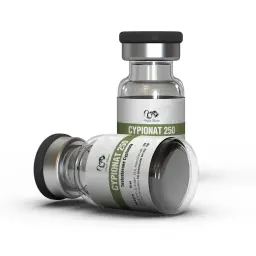
TESTOSTERONE CYPIONATE 250 MG INJECTION
Drug Class: Androgen; Anabolic Steroid; Androgen Ester
Composition:
- Active Substance: Testosterone Cypionate
- Concentration: 250 mg/mL
Presentation: 10 mL Vial
Manufacturer: Dragon Pharma
Common Name(s): Test C, Cyp, Cypionat
Tested in Laboratory: View Lab Report
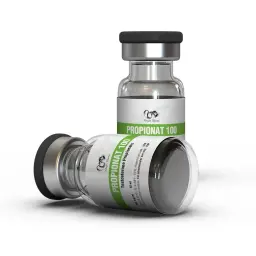
TESTOSTERONE PROPIONATE 100 MG INJECTION
Drug Class: Androgen; Anabolic Steroid; Androgen Ester
Composition:
- Active Substance: Testosterone Propionate
- Concentration: 100 mg/mL
Presentation: 10 mL Vial
Manufacturer: Dragon Pharma
Common Name(s): Perandren, Neo-Hombreol, Testoviron, Agrovirin, Andrusol-P, Synandrol, Andronate, Oreton, Masenate
Tested in Laboratory: View Lab Report
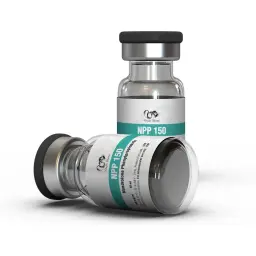
NANDROLONE PHENYLPROPIONATE 150 MG INJECTION
Drug Class: Androgen; Anabolic Steroid; Androgen Ester; Progestogen
Composition:
- Active Substance: Nandrolone Phenylpropionate
- Concentration: 150 mg/mL
Presentation: 10 mL Vial
Manufacturer: Dragon Pharma
Common Name(s): Durabolin, Fenobolin, Activin, Deca-Durabolin, Evabolin, Grothic, Hybolin Improved, Metabol, Nerobolil, Neurabol, Norabol, Noralone, Sintabolin, Strabolene, Superanabolon, Turinabol
Tested in Laboratory: View Lab Report
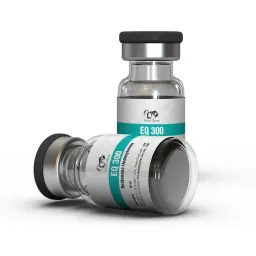
BOLDENONE UNDECYLENATE 300 MG INJECTION
Drug Class: Androgen; Anabolic Steroid; Androgen Ester
Composition:
- Active Substance: Boldenone Undecylenate
- Concentration: 300 mg/mL
Presentation: 10 mL Vial
Manufacturer: Dragon Pharma
Common Name(s): Boldane, Equipoise, Parenabol, Vebonol
Tested in Laboratory: View Lab Report
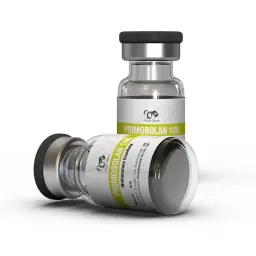
METHENOLONE ENANTHATE 100 MG INJECTION
Drug Class: Androgen; Anabolic Steroid; Androgen Ester
Composition:
- Active Substance: Methenolone Enanthate
- Concentration: 100 mg/mL
Presentation: 10 mL Vial
Manufacturer: Dragon Pharma
Common Name: Primobolan Depot
Tested in Laboratory: View Lab Report